
A Glasses Prescription That Feels Wrong: What Adults Should Discuss at a Houston Eye Exam
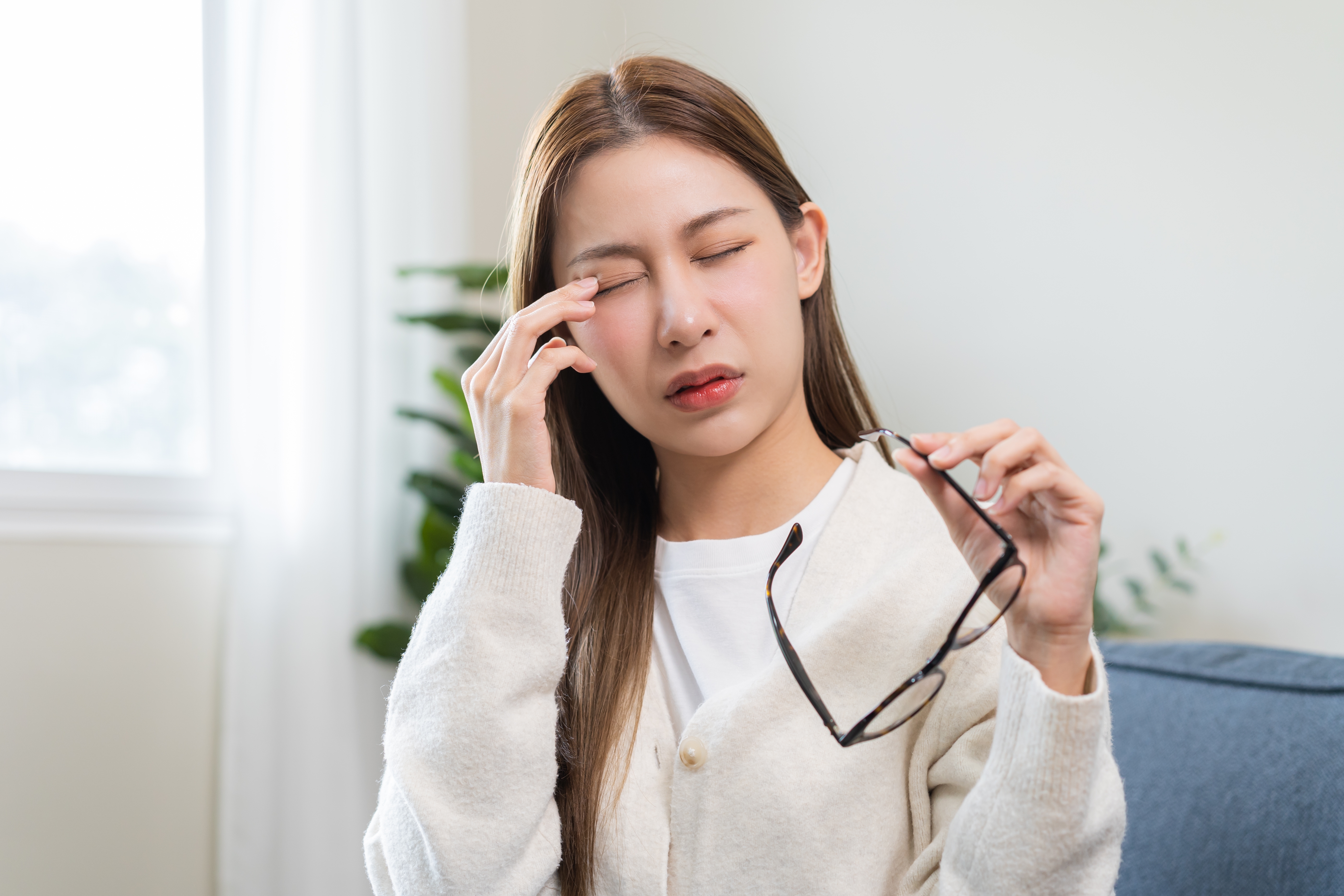
New glasses are supposed to make vision clearer and more comfortable, but sometimes a prescription simply does not feel right. You may notice blur at certain distances, headaches, eye strain, difficulty adjusting to progressives, or a sense that one eye is working harder than the other.
At Vision Source Meyer Park, Dr. Steve Lai provides comprehensive eye exams for adults in Houston. If your glasses feel uncomfortable or your vision does not seem as clear as expected, an eye exam can help determine whether the prescription, frame fit, lens design, or another visual factor should be reviewed.
Describe Exactly What Feels Wrong
Saying that your glasses "do not work" is a useful starting point, but more specific details can help your optometrist understand the problem.
Think about which activities are difficult and when symptoms occur. Is distance vision blurry while driving? Does your computer seem harder to focus on? Do you need to tilt your head to find a clear area in progressive lenses?
Useful details to discuss include:
Whether distance, intermediate, or near vision is unclear
Headaches or eye fatigue after wearing the glasses
Whether one eye seems blurrier than the other
Difficulty using stairs or judging distances
Problems adapting to progressive or multifocal lenses
Distortion when looking through certain parts of the lenses
Frames that slide, sit crooked, or feel too high or low
Whether symptoms disappear when you switch back to an older pair
Bring both your new and previous glasses to your Houston eye exam when possible.
Ask About the Refraction
Refraction is the part of an eye exam used to determine the lens prescription that provides your clearest vision. It usually involves comparing different lens choices while you look at an eye chart.
Small prescription differences can sometimes feel significant, particularly for adults with astigmatism, stronger prescriptions, or multifocal needs.
If your new prescription feels different from what you expected, ask how it compares with your previous one. A change does not automatically mean the prescription is incorrect. Your visual system may need time to adapt, or another factor may be affecting how the finished glasses perform.
Frame Fit Can Affect How Your Lenses Work
The prescription itself is only part of the equation. How your frames sit on your face can influence where you look through the lenses.
This is particularly important with progressive lenses, where different portions of the lens provide different viewing distances. If the frame sits too high, too low, or at an unusual angle, the intended viewing zones may not line up comfortably.
Vision Source Meyer Park offers professional eyewear fitting and digital measurement technology to help match frames and lenses to individual visual needs.
Talk About Your Daily Visual Routine
Adults often use their vision very differently throughout the day. Someone who drives frequently may prioritize clear distance vision, while a Houston professional who spends eight hours at a computer may need strong intermediate comfort.
Tell Dr. Lai how much time you spend driving, working on screens, reading, or moving between several distances. If you wear contact lenses part of the week and glasses the rest of the time, mention that as well.
Your prescription and lens design should be considered in the context of how you actually use your eyes.
Give Your Eye Doctor Time to Evaluate the Cause
A glasses problem does not always have an immediate or single solution. Prescription changes, frame adjustments, lens measurements, eye health, dry eye, cataracts, or other visual factors may need to be considered.
A comprehensive exam helps separate these possibilities rather than assuming the glasses simply need to be remade.
If your current glasses feel blurry, uncomfortable, or poorly matched to your daily routine, schedule an adult eye exam with Vision Source Meyer Park and Dr. Steve Lai at 9935 S. Post Oak Rd., Houston, TX 77096 by calling (281) 374-1671.
Quick Links
Helpful Articles
All Eye Care Services
Find personalized eye care excellence with our comprehensive services. From eye exams to advanced diagnostics, trust us for all your vision needs.
Keep In Touch
For non-urgent questions or to learn more about our services, contact us today!

Quick Links
Contact Info
Hours of Operation
- Monday 9:00am - 6:00pm
- Tuesday 9:00am - 6:00pm
- Wednesday 9:00am - 6:00pm
- Thursday 9:00am - 6:00pm
- Friday 9:00am - 6:00pm
- Saturday 8:00am - 1:00pm
- Sunday Closed
- Monday
- Tuesday
- Wednesday
- Thursday
- Friday
- Saturday
- Sunday
- Monday
- Tuesday
- Wednesday
- Thursday
- Friday
- Saturday
- Sunday
© 2026 Vision Source Meyer Park. All rights Reserved - Accessibility Statement - Privacy Policy - Sitemap
Managed and Designed by 